
Fiber is commercially compostable. Wake County's acceptance varies, so some of it will end up in trash. That's the honest math — and why we push glass. A jar returned never needs composting.
Standards.
Ink, paper, glass, stainless, and an organic-first pantry. The materials are part of the dinner.
Containers.
Solo and Dos dinners arrive in Ball wide-mouth glass — the jars American kitchens have canned in for 125 years. Family trays arrive in stainless steel steam pans; the tray goes straight into your oven at 350°, then back on the porch. First orders and gifts ship in BPI-certified plant fiber with no added PFAS. Your jars pay for themselves. So we deposit them.
Cookware.
- Steel
- All-Clad, Heritage Steel, and Demeyere stainless for searing, braising, and deglazing.
- Iron
- Cast iron for high-heat edges on vegetables, beans, poultry, and fish.
- Heat
- Roasting, simmering, pressure-cooking, and covered bakes.
Sourcing.
- Plants
- Organic beans, grains, roots, greens, herbs, and seasonal Triangle produce wherever certified supply is available.
- Animal protein
- Organic chicken, organic pasture eggs, organic grass-fed beef, and wild salmon appear in rotation.
- Sauces
- Organic citrus, miso, tahini, yogurt, and nut creams where available; salt, some spices, ferments, and nori are the usual exceptions.
FINE PRINT
Plain claims only.
About 80% of the menu is plants because that's how we cook — not a promise about your body. We describe food. Outcomes are yours.
Noria aims for 90%+ organic ingredients by count. Wild seafood, salt, some spices, ferments, nori, and unavailable local produce may be non-organic; those exceptions are called out plainly.
Bookshelf.
The books are not decoration. They explain why the menu leans on beans, vegetables, heat, acid, and repeatable kitchen standards.

How Not to Die
It persuades us by treating plants, beans, whole grains, and greens as daily infrastructure instead of occasional virtue. We do not turn that into body promises; we turn it into normal dinners with lentils, brassicas, roots, and grains doing real work.

The Blue Zones Kitchen
Its strongest argument is practical: the durable kitchens are repetitive, bean-heavy, seasonal, and built around food that reheats. That is why Noria favors big-pot dishes, sturdy grains, and portions that still feel like dinner on Thursday.

On Food and Cooking
This is the book behind the standards we do not romanticize: heat transfer, starch behavior, protein texture, cooling, and reheating. It persuades us that reliable food is designed twice — once for the pot, once for the jar or tray.

Salt, Fat, Acid, Heat
It persuades through taste, not rules. A jar can be technically correct and still feel flat; salt, fat, acid, and heat are how beans, vegetables, and grains become finished food instead of assembled ingredients.
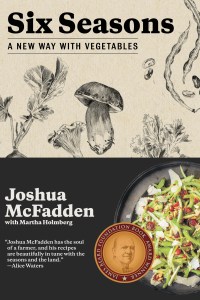
Six Seasons
It makes vegetables feel specific, not generic. The persuasive part is attention: char, shave, braise, pickle, and dress according to the plant in front of you. That is the difference between a vegetable side and a dinner built around produce.
Cover thumbnails from Open Library and Hachette Book Group. Amazon links open ISBN searches.